Stadiums score a win on waste
Perth's Optus Stadium has joined a growing number of Australian venues ditching single-use plastic.

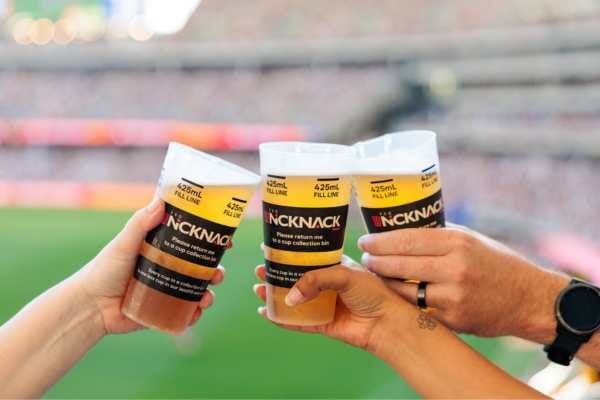
The 2026 AFL season kicked off with a milestone at Perth's Optus Stadium that could spell the end of the single-use beer cup.
Australia’s stadiums have been estimated to burn through up to 50 million disposable cups every year, fuelling a massive plastic waste crisis. To make a dent on the problem, however, reusable cup systems must be designed to handle very high usage in a short amount of time.
With this goal in mind, Perth’s Optus Stadium has partnered with WA startup FSG NickNack to become to become first major Australian venue to serve draught beer in 100% reusable, 425ml plastic cups.
The stadium said it had previously been serving all general admission drinks in a 100% recoverable paper cup to align with the WA Government's Plan for Plastics which bans single-use plastics.
While paper cups have become the standard alternative in the state, for draught beer they were found to be flimsy, to soak up the beer, and were unpopular with fans. And like their single-use plastic predecessors, they still required large amounts of energy to produce and transport.
In 2024 trials, surveyed stadium patrons said that heavy-duty washable plastic cups offered a better beer drinking experience, and that they were even willing to pay a little more for them, so from March this year, Optus Stadium transferred all beers across to it, with a price rise of 40 cents.
With another massive Western Derby at Optus Stadium this past weekend, the fans ticked over on 300,000 reusable cups used since March 21st this year. This prevented that number of single use cups being wasted.
For fans, that translated to a more premium experience – no more soggy paper or guessing where the pour line is, the venue said.
“With another massive Western Derby at Optus Stadium this past weekend, the fans ticked over on 300,000 reusable cups used since March 21st this year. This prevented that number of single use cups being wasted,” Optus Stadium GM Food & Beverage Craig Menzies said.
“In the next 12 months we hope to have prevented the use of over 1.5 million single use cups.”
At 50,000 cups per event on average at Optus Stadium and up to 90,000 across a double header weekend, the logistics can matter as much as the cup. When drinks are finished, cups are returned to a designated reusable cup bin and are washed and sanitised offsite before being reused at future games and events.
The first month saw a 94% recovery rate of cups in the first month, according to FSG NickNack, which says its reusable beer cup is EU certified for 500 washes, is BPA free and made from durable polypropylene.
FSG NickNack's parent company, Perth-based FrothStop Group, is building out the event-scale offering with the development of automated beer pouring units that have been designed to pump out more than 600 beers per hour while eliminating the waste typically lost to foam.
Wash, not waste
FSG NickNack is not alone in its mission to stamp out waste. Across the country, a wave of startups are operating in this sector, demonstrating that reusability at events is more than just a niche experiment.
Melbourne startup Bettercup says it recently processed over 60,000 reusable cups during the 2026 Australian Open. The startup specialises in high-pressure, multi-operator precincts, managing everything from its Melbourne wash hub, which it says enabled the Australian Open to replace thousands of single-use items in several locations throughout the event.
Bettercup has also provided its services at the Sydney Opera House, WOMADelaide, Perth Fringe World, Darwin Festival and Sky Stadium in Wellington.
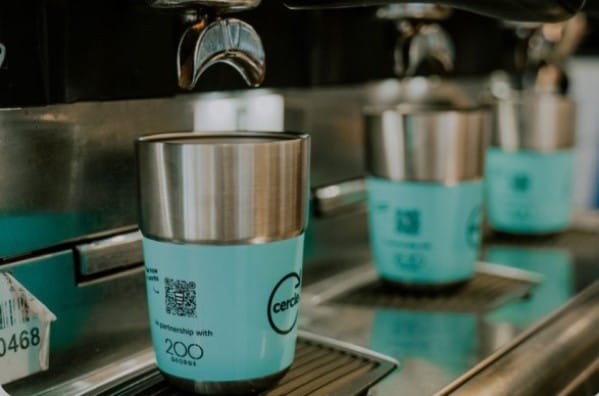
Social enterprise Cercle targets the ‘forgot my cup’ problem, deploying its polymer and stainless steel cups and tech-enabled drop pod system in premium office towers and high-traffic precincts like Olderfleet (477 Collins St) in Melbourne, Westpac's headquarters in Sydney and the Heritage Lanes building in Brisbane.
The cups are cleaned at large-scale commercial washing facilities and the free-to-use reusable coffee cup system only charges users if a cup isn't returned after a week or so.
Beyond plastic
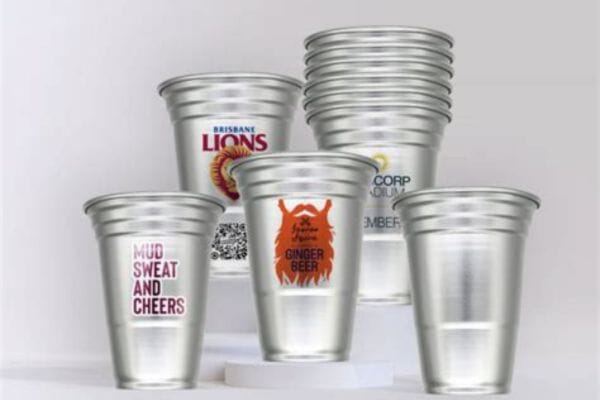
Last year, Sydney Showground announced a three-year partnership with Sydney startup Wosup to use its aluminium reusable cup system across all venues. Aluminium cups are better at keeping beverages cold and even maintain beer froth for longer, according to Wosup.
The cups include a tech-enriched experience for customers, venue operators, and sponsors by offering a QR-based rewards system that can unlock discounts and loyalty rewards.
Compostable solutions are also emerging to fill the gap left by single-use plastics. Little Green Panda, a maker of home compostable straws, cutlery and coffee cups made from agricultural by-products, recently secured strategic investment from Everkind to scale its plant-based packaging globally.
The startup says its range of single-use coffee cups and cutlery can decompose like a piece of fruit when thrown in the trash, and is now moving beyond cafes and food and beverage outlets to supply events like the Australian F1 Grand Prix, Melbourne Fashion Festival and the Melbourne Cup.
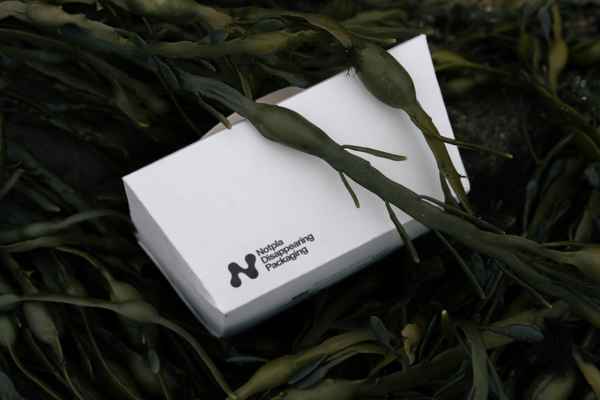
Beyond Australia's shores, seaweed-packaging pioneers are also disrupting the market with home-compostable solutions that break down. UK-based Notpla, for instance, is involved in a wide-ranging partnership with Levy UK + Ireland to replace conventional food packaging at some of the world’s largest sports and entertainment venues.
The startup says the collaboration is expected to amount to 75 million items over three years, with products made entirely from seaweed and other plant-based materials that are home-compostable and biodegradable.
Related stories
 Amanda Bryan
 Amanda Bryan
 Louisa Hearn