The weekly roundup: 🚜 Feeding an uncertain future
Australia’s agricultural and transport sectors are ripe for change as global disruptions threaten the supply of fuel and fertiliser.


The supply chains that move fertiliser to the farm gate and carry produce to our supermarket shelves tend to operate out of sight, only surfacing when shortages make the news.
Agriculture and transport – two industries critical to our food supply – are feeling the effects of geopolitical disruption and its effect on the supply of fertiliser and fuel. This week, we look at some solutions in the works to build greater resilience across both sectors.
First, agricultural technology companies are developing tools to reduce farming's dependence on imported inputs and fossil fuels, easing commercial pressures in the process.
And in heavy freight, operators are exploring whether converting existing diesel trucks to electric drivetrains represents a financially viable path forward.
Finding fertile ground
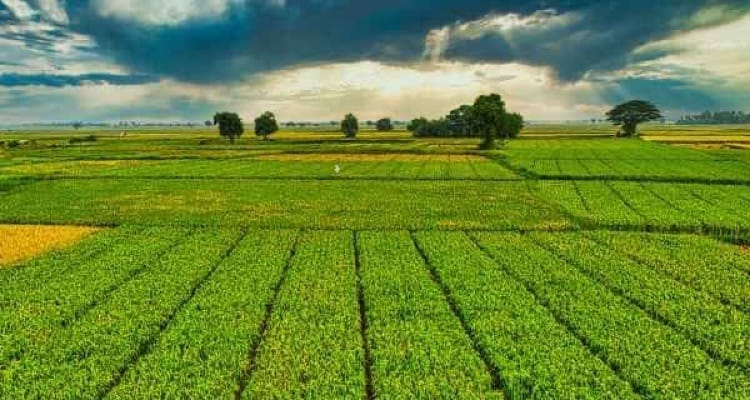
Australia's farms are being reimagined – not by policy, but by technology.
From mobile solar microgrids and autonomous field robots to on-farm fertiliser production and electric weed control, a cluster of Australian agricultural technology companies is developing solutions aimed at reducing farming's dependence on fossil fuels, synthetic inputs and global supply chains.
On the road to electric
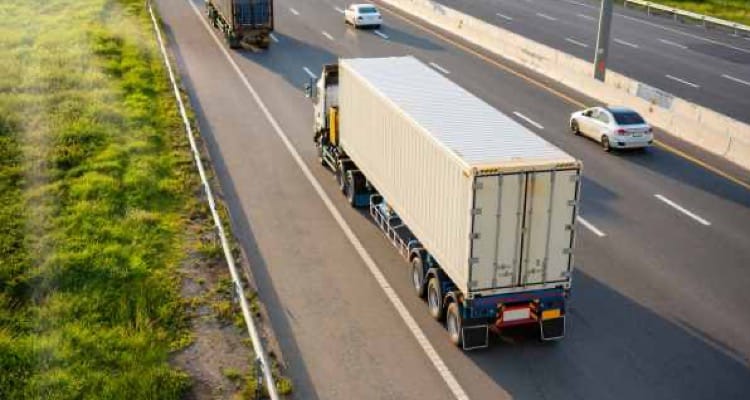
A new South Australian conversion centre will soon be refitting diesel heavy vehicles with electric drivetrains.
The initiative by Janus Electric will offer fleet operators an alternative to purchasing new electric trucks. The initiative is part of a broader national push, as industry groups press governments for clearer policy frameworks, warning that infrastructure investment must keep pace if electrification of Australian transport is to move beyond early movers.

▷Funding for First Nations microgrids
The Australian Renewable Energy Agency (ARENA) has committed $11 million to two pioneering First Nations-led microgrid projects in the Northern Territory. This initiative funds the Ngardara and Ltyentye Apurte projects, which according to ARENA marks an important shift toward indigenous energy sovereignty. As Australia’s first utility-scale solar microgrids under First Nations leadership, these projects aim to provide a blueprint for remote communities nationwide, ARENA said. By integrating solar and battery storage, the program’s goal is to reduce diesel reliance, enhance grid reliability, and reduce energy costs.
▷ Climate action goes global
Two recent initiatives on the global stage have been launched to tackle the climate issue from different angles. The Transitioning Away from Fossil Fuels conference, running this week in Santa Marta, Colombia seeks to establish an international alliance to speed the transition away from fossil fuels. Australia was among 45 countries attending the conference, which aims to establish transparent dialogue between governments, indigenous groups, youth and international organisations. A Greening AI Data Centres Coalition was also launched last week by nine organisations including the Green Building Council of Australia, with an aim to set credible sustainability standards for data centres to protect communities, energy security and the environment.
▷Methane burp-buster works in the field
Adelaide University researchers say they have reduced methane emissions by up to 77 percent in grazing beef cattle using a seaweed-derived oil supplement. With previous studies conducted in controlled feedlots, this trial proved effective for 80 Angus cows roaming freely in open paddocks. The bromoform extract significantly lowered greenhouse gases without impacting calf growth or maternal health, the researchers, said although they did note minor blood chemistry changes and wrote that further work is needed to refine delivery methods, optimise dosage, and better understand long-term impacts on animal health and productivity.
▷Home electrification workshop
Australia's Parents for Climate group will host a free online webinar on 4 May for households looking to reduce energy bills and transition away from gas. The session, presented by volunteers from Zero Emissions Solutions, will cover solar, batteries, heat pumps, induction cooking and EV charging, the group says, with a focus on practical tips and real-life examples.
▪️The Zero Planet is an independent Australian news site focusing on climate-friendly innovation. Follow us on LinkedIn and Instagram.