Solving food waste on the fly
Small, transportable waste units aim to shift organic food waste away from landfill and into valuable waste streams.

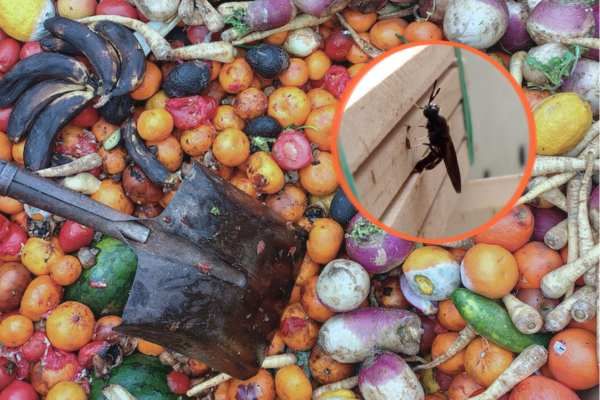
South Australian startup Mobius Farms is preparing to roll out its Larvae Pod (L-Pod) for businesses seeking an alternative to binning their food waste.
As landfills reach capacity across Australian cities, the legislation around food and garden organics (FOGO) recycling is tightening, with the aim of diverting food waste toward more productive uses and reducing associated methane emissions.
The self-contained, transportable L-Pods developed by Mobius Farms aim to harness the power of black soldier fly larvae to turn organic waste into valuable waste streams for a range of businesses, from food producers to hospitality operators.
According to Mobius Farms, the value proposition is the larvae's ability to swiftly convert complex organic waste streams such as food waste, which would otherwise end up in landfills and generate methane.
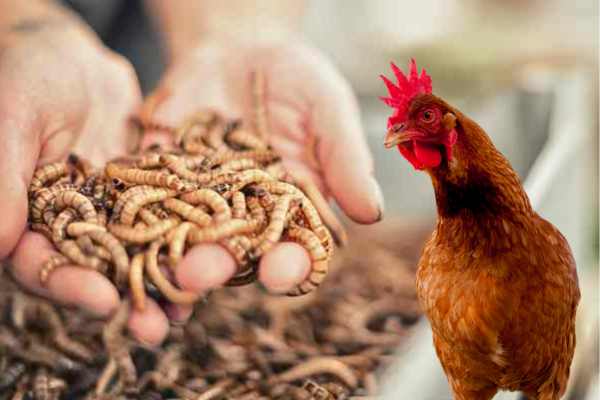
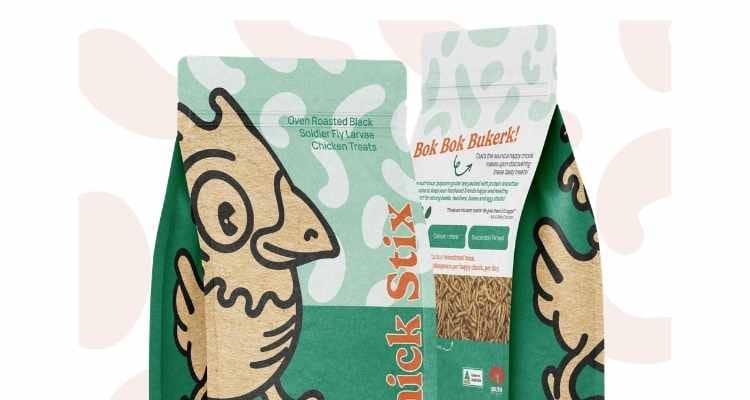
When Australians flocked to purchase backyard poultry in record numbers at the onset of the COVID-19 lockdowns, the startup rolled out a larvae-based treat for backyard chickens called Chick Stix, which it sells online in compostable packaging.
Mobius Farms co-founder Jeannine Malcolm said the startup has also been working with Schutz Barossa Vineyard for the past three years to explore the potential of using black soldier fly larvae to convert grape marc, a by-product of the winemaking process, to produce a fertiliser suitable for vineyards.
Malcolm said Mobius Farms was now accepting expressions of interest from potential customers seeking to solve their own specific waste challenges using the L-Pod. Although currently in prototype stage, she said Mobius Farms was preparing to scale its operations in order to begin manufacturing the unit.
Backed by more than five and a half years of research into black soldier fly (BSF) farming, Malcolm said the L-Pod launch signalled a “growing confidence that insect-based bioconversion is ready to move from niche research into practical, scalable deployment”.
"We felt that Australia is being left behind in adopting insect bioconversion technology due to a lack of access to knowledge and skills."
With demand for sustainable waste solutions intensifying across Australian industry, Malcolm said Mobius Farms was also preparing to roll out what it believes to be Australia's first online Black Soldier Fly Farming course through the BSF Farming 101 program, starting with a pilot group of students from across Australia.
It was the abundance of organic by-products in the Barossa Valley that first prompted Malcolm to explore how nutrients locked inside agricultural "waste" could be recovered and returned to food systems.
Her journey began by googling how to solve the waste problem on her own pig farm and years later, Malcom said she still hears the same story from people who want to start but cannot find the information to help them.
“We felt that Australia is being left behind in adopting insect bioconversion technology due to a lack of access to knowledge and skills.”
She said the online course was developed as a way to share information and strengthen the insect industry by promoting the benefits and awareness needed to “normalise" insect bioconversion practices.
Insects in the city
Another insect startup making strides in Australia is Canberra-based Goterra, which has established waste processing depots in Canberra, Albury and Wetherill Park in Sydney.
There, Black Soldier Fly larvae convert food waste delivered from customers such as Woolworths, The City of Sydney and smaller operators, into high-value protein and fertiliser.
Goterra has also supplied automated modular waste units within stackable shipping containers for locations such as Sydney's Barangaroo towers, which were installed in 2020, and the Hyatt Regency in Sydney in 2024.
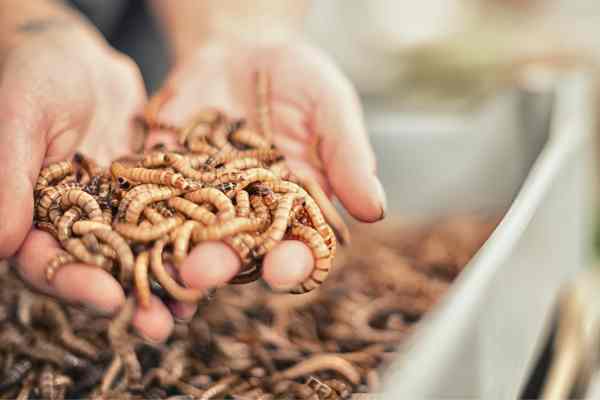
The L-Pod (Larvae Pod) is a self-contained, modular bioconversion system that harnesses black soldier fly larvae to process organic waste. The transportable containers are temperature and humidity-controlled and can transform waste into two high-value outputs: protein-rich larvae for livestock, poultry, and aquaculture feed, and nutrient-dense frass for use as organic soil fertiliser. Mobius Farms says Black soldier fly larvae can break down waste much faster than traditional composting, while generating less greenhouse gas and using less land and water.
Recent stories
 Amanda Bryan
 Louisa Hearn