The weekly roundup: 💡Steeling for change
This week we explore biomass-based alternatives for steel making plus ocean tech steps into the spotlight.


Heavy industry and ocean ecosystems may seem unrelated, but both are central to the climate transition.
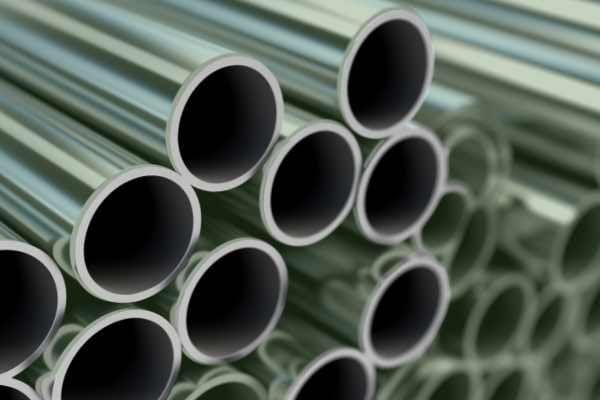
Steel production remains one of the world’s most emissions-intensive sectors, and companies like BioCarbon are exploring biomass-based alternatives to reduce reliance on fossil inputs.
At the same time, marine startup Blue Carbon is developing technology that can cool and oxygenate the ocean to support healthier marine ecosystems, addressing challenges like heat stress and coral bleaching, and gaining industry recognition along the way.
In both cases, the real story lies in the ground being laid – the technical milestones, partnerships and proof points that come before commercial scale, laying the foundations for wider adoption.
Green ambitions
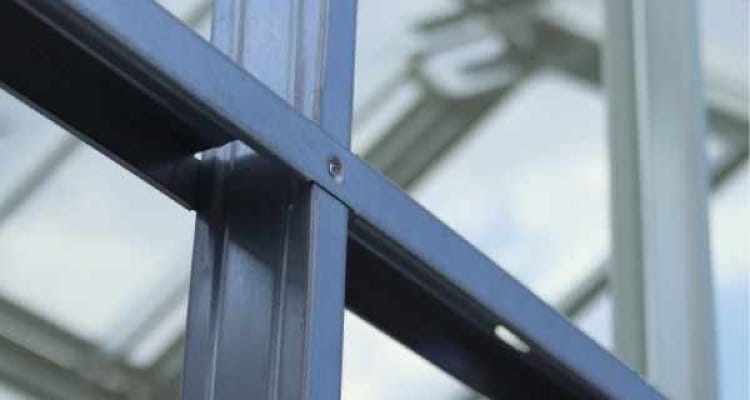
Steel production remains one of the world’s most carbon-intensive hurdles, responsible for about 8% of global emissions.
While Electric Arc Furnaces have improved circularity, they still depend on high-emission metallurgical coke. NSW-based BioCarbon is challenging this reliance and with backing of $4.8 million from ARENA, the startup is scaling industrial production of GreenChar, a biomass-derived alternative.
Scaling the blue frontier
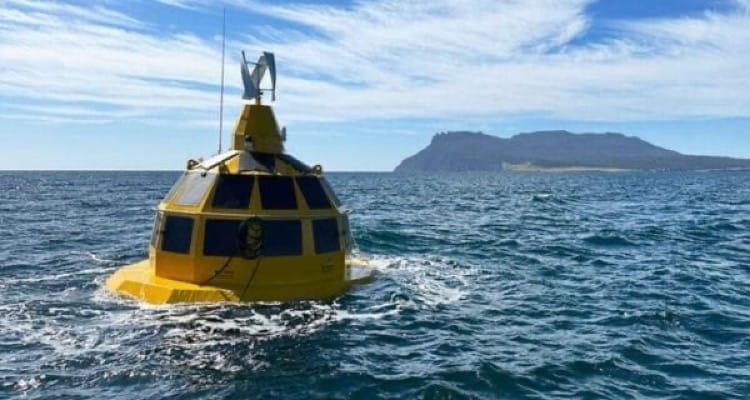
While the global ocean economy prepares for massive expansion, many 'blue-tech' solutions are yet to move beyond pilot stages.
Brisbane-based Blue Carbon aims to bridge this gap, recently becoming the first startup to sweep both major prizes at the 2026 KPMG Nature Positive Challenge. Its oPod system was developed to monitor and oxygenate seawater to combat heat stress and coral bleaching, helping to restore marine ecosystems.

▹Funding for thermal power
MGA Thermal has been awarded $3.25 million in funding from the Australian Renewable Energy Agency (ARENA). The funding will support five front-end engineering design studies aimed at fast-tracking the commercial rollout of the company’s long-duration thermal energy storage tech, which stores energy as latent heat, enabling efficient long duration thermal storage. ARENA said the project aimed to boost industry confidence in thermal energy storage and help drive wider decarbonisation across the industrial sector.
▹Exporting fire stewardship
A new carbon methodology grounded in Northern Australian Indigenous Savanna fire stewardship has entered global public consultation and aims to translate this expertise for global markets. Developed by Maki Planet Systems in collaboration with Indigenous land managers and other partners, two parallel methodologies are now progressing internationally: one under the voluntary carbon market and a second under the United Nations Article 6.4 mechanism for compliance markets.
▹Peanuts to graphene
It has immense strength and conductivity for use in electronics, but graphene also has high production costs and chemical usage. Engineers at UNSW Sydney say they have developed a 'greener' alternative by transforming discarded peanut shells into high-quality graphene by using electricity to rapidly heat the carbon-rich agricultural char. It says the process avoids fossil-fuel-derived additives and reduces energy expenditure.
▹Electric weed control
NSW-based Azaneo says it has reached a major milestone as it finalises a field beta prototype of its Pulsed Electric Field weeding technology. Designed to integrate with existing tractors, the unit will provide chemical-free weed control for orchards and vegetable crops. After securing a $250,000 Industry Growth Program grant last year, the startup views this beta system as the critical bridge between research and real-world farm operations ahead of upcoming customer trials.
▹Microplastics meet algae
Genetically engineered algae that produce the natural oil limonene could offer a new way to remove microplastics from water. Early-stage research, developed by Susie Dai at the University of Missouri and published in Nature Communications, aims to scale the process for use in wastewater treatment plants and potentially repurpose the recovered plastics into bioplastic products. The oil makes the algae water-repellent, causing them to bind with equally water-repellent plastic particles, clump together and sink for easy removal while also absorbing excess nutrients from wastewater.