Soy fish makeover on the menu
A sushi restaurant in Hobart has become the first venue to adopt the Holy Carp! sustainable soy sauce dropper.

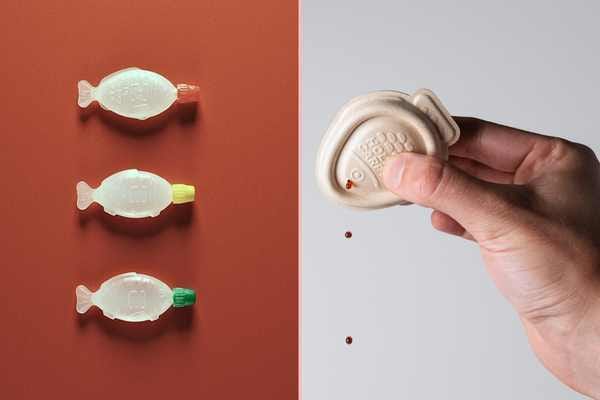
The world's first compostable soy sauce fish has made its public outing at a Tasmanian sushi restaurant.
The product has been dubbed Holy Carp! by Sydney design company Heliograf which created the sustainable alternative to the traditional mini plastic soy fish found in takeaway sushi boxes.
Those familiar little fish are a surprisingly significant environmental problem and Heliograf estimates that around 8 to 12 billion have been used since their invention in the 1950s. As they are too small to be recycled, they often end up in the ocean where they harm marine and birdlife before eventually breaking down into microplastics.
Sush Track, on Hobart's waterfront, was the first food venue to officially adopt Holy Carp! earlier this month. Restaurant co-owner David Painter is described as a sustainability and slow food advocate with a commitment to using local ingredients.
“We couldn’t think of a better launch partner than Sush: world leaders in sustainable sushi, and our local,” Heliograf shared on social media.
The timing of the Holy Carp! launch comes as state-wide plastic bans are increasingly targeting single-use items, with South Australia among the most recent to act with a ban on plastic soy fish introduced in September last year.
"We designed Holy Carp to disappear … unlike the plastic soy fish that float around forever, potentially harming marine life and contributing microplastics to our food."
Helograf is a Sydney-based design collaboration between Angus Ware and Jeffrey Simpson. Its first foray into tackling the plastic soy fish problem was the creation of a decorative lamp called Light Soy which aims to make a statement on the iconic plastic soy fish and the problem of single-use plastic.
The lamp is made with recycled ocean-bound plastic and sales have to date helped to fund the removal of over 34 tons of plastic from the environment, according to Heliograf.
To develop its Holy Carp! sauce droppers, Heliograf collaborated with Vert Design and also consulted with sushi restaurants. The droppers are made from a natural plant fibre derived from sugarcane that is able to break down within weeks in home composting conditions, according to its creator, leaving no microplastics or forever chemicals.
"We designed Holy Carp! to disappear … unlike the plastic soy fish that float around forever, potentially harming marine life and contributing microplastics to our food," Heliograf said.
The small fish-shaped container is filled with soy sauce in-store, which Heliograf says ensures the soy sauce is fresher and gives stores more flexibility to choose their sauce.
"We’ve also made Holy Carp! larger than a typical plastic soy fish after observing that many customers grab a handful rather than just one," Heliograf said.
Interested venues are invited to reach out to the company online to request a Holy Carp! sample pack.
Unlike their plastic predecessors, Holy Carp! soy sauce droppers are made from a natural plant fibre derived from sugarcane. Heliograf says they break down within weeks in a home compost bin, leaving behind no microplastics or forever chemicals. The little fish are filled with soy sauce in-store, which has the added bonus of keeping the sauce fresher for longer. It also gives restaurants and retailers the freedom to choose their own soy sauce brand. Heliograf says each container holds 8ml and is designed to stay leak-resistant for over 48 hours.
Related stories
 Louisa Hearn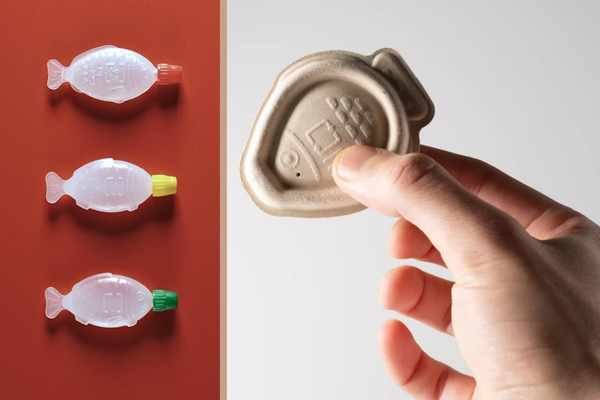
 Louisa Hearn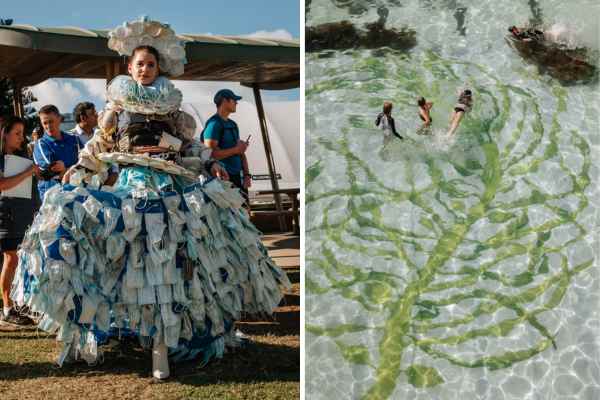

Our mission is simple: spotlight the science, technology and nature-based solutions to help turn the tide against the rising threat of pollution and global warming. Because the future is not yet written.