Sunnies made from seaweed in the works
Aussie tech collaboration will fashion Uluu's seaweed-derived biomaterial into zero-waste glasses.

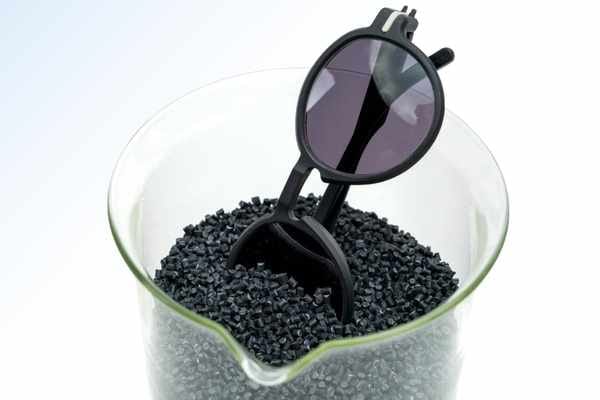
WA startup Uluu has partnered up with Good Citizens to develop sunglasses using biomaterials made from its farmed seaweed.
Good Citizens is an award-winning family business based in Sydney that, until now, has been making reading and sunglass frames from 100% recycled single-use plastic bottles.
The collaboration will combine Good Citizens' existing frame making capability with Uluu's seaweed-derived biomaterial, supplied in pellet form. Uluu says its first prototypes (pictured above) have been produced at Good Citizens' Sydney facility.
“Together, we’re developing sunglasses made with Uluu, combining Good Citizens’ award-winning design with high-performance biomaterials derived from farmed seaweed,” Uluu recently shared on social media.
Good Citizens says its modular frames contain no metal or screws and are manufactured in Australia with a zero-waste production process. In 2022 the business won two awards at Australia's International Good Design awards and was also named Best Fashion Accessory by Marie Claire UK in the same year.
"Together, we’re developing sunglasses made with Uluu, combining Good Citizens’ award-winning design with high-performance biomaterials derived from farmed seaweed."
Uluu secured $16 million in Series A funding in November last year, announcing plans to use the capital to construct a 10-tonne-per-year demonstration plant in Western Australia, with the ultimate goal of replacing plastics at scale.
Uluu said the expanded plant would enable it to supply commercial volumes of its material to partners across the fashion, cosmetics and automotive industries.
While the sunglasses project is the first application of Uluu's material within the eyewear category, the seaweed startup has previously worked with surf brand Quiksilver and sleepwear label Papinelle on products including surfboard wax combs and pyjama buttons.
Uluu creates its natural polymers, known as polyhydroxyalkanoates (PHAs), using a fermentation process similar to brewing beer. These polymers, derived from a combination of seaweed sugars, seawater, and saltwater microbes, offer the same durability as traditional plastics while being biodegradable, compostable, and free from fossil fuels, Uluu says. The extracted material is dried and formed into pellets compatible with standard plastic manufacturing equipment.
Related stories
 Amanda Bryan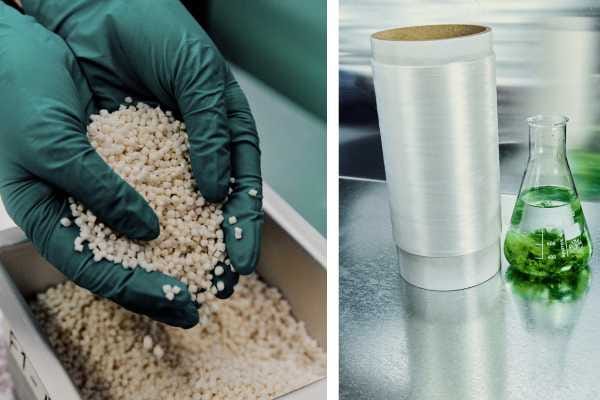
 Amanda Bryan