Seagrass returns to Balmoral waters
Marine restoration project reaches new milestone in quest to bring ocean species back to Sydney Harbour.

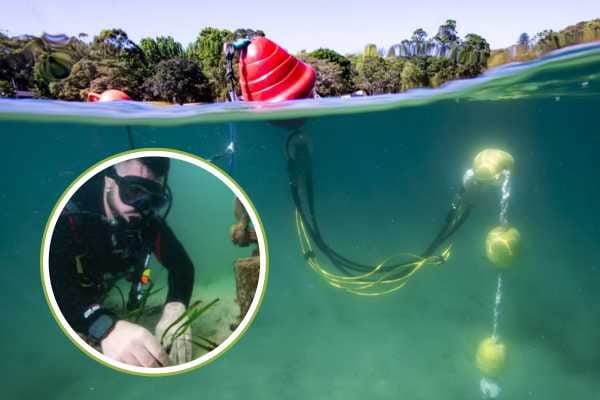
Balmoral Beach was the setting for an underwater ecosystem recovery last month with the planting of 800 endangered Posidonia australis shoots.
The hands-on restoration effort conducted by the Sydney Institute of Marine Science (SIMS) aims to revitalise the local marine habitat and provide a sanctuary for native species.
According to SIMS, the seagrass was planted directly beneath recently installed Environmentally Friendly Moorings (EFMs) at Balmoral Boatshed, which have been specifically designed to protect the delicate seabed.
The planting is just the latest phase of Project Restore and SIMS says reaching this milestone is the result of three years of coordination between scientists, public agencies, and the local boating community.
Traditional boot moorings often damage the seafloor with their heavy chains that drag across the sand, according to SIMS. So, in November last year it replaced traditional moorings with EFMs in partnership with the Balmoral Boatshed and supported by the local boating community and Treharne Moorings.
"This milestone represents the culmination of three years of collaboration with the boating community, mooring contractors, public agencies and scientists."
Unlike traditional moorings that use heavy chains, the EFMs are neutrally buoyant and secured with a low-impact screw piling system, SIMS said, which leaves a much smaller footprint on the seafloor, protecting the vital seagrass habitat.
Success of the initiative was bolstered by local support from its ‘Storm Squad’ citizen scientists, who played a crucial role, according to SIMS, by collecting the beach-cast seagrass fragments used for the replanting.
“This milestone represents the culmination of three years of collaboration with the boating community, mooring contractors, public agencies and scientists,” SIMS said.
The transition to sustainable mooring technology was funded through the NSW Environmental Trust’s Seabirds to Seascapes program led by the NSW government. The four-year project aims to bring ecosystems such as seagrass meadows and marine wildlife back to Sydney's iconic harbour.
SIMS said it will continue to monitor the recovery of the Posidonia beds and expand restoration efforts across the Balmoral area, tracking the growth of the new shoots to ensure the continued health of the harbour’s marine life.
Safe harbour for seahorses
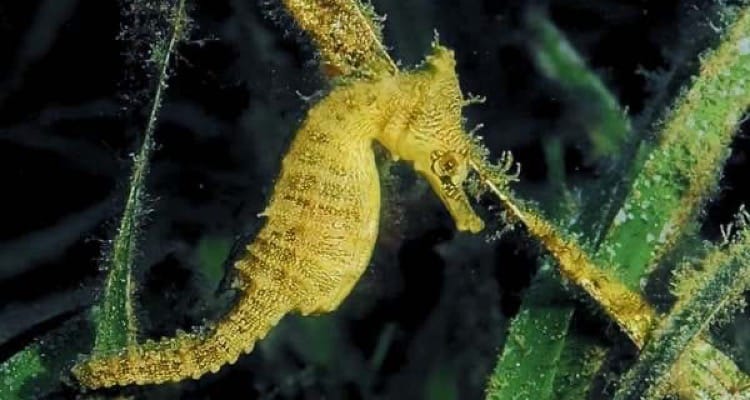
A related SIMS project being run in collaboration with the University of New South Wales aims to support recovery of the endangered White’s seahorse native to Australia’s east coast.
The seahorses' primary habitat is Posidonia australis, which they use to anchor themselves and avoid being swept away by currents. But over the past 50 years, researchers say these underwater meadows have nearly vanished amid coastal development, pollution, dredging, and more recently, boating activity.
The goal of Greener Pastures is to restore both Posidonia and White’s seahorse populations in Sydney Harbour. To achieve this, seahorse hotels are being created to mimic the natural habitat and provide seahorses with shelter from predators and attract tiny crustaceans, their main food source.
Over time, researchers say the structures will create miniature ecosystems and when Posidonia is replanted alongside them, providing new anchoring points for the seahorses.
Seawalls come alive
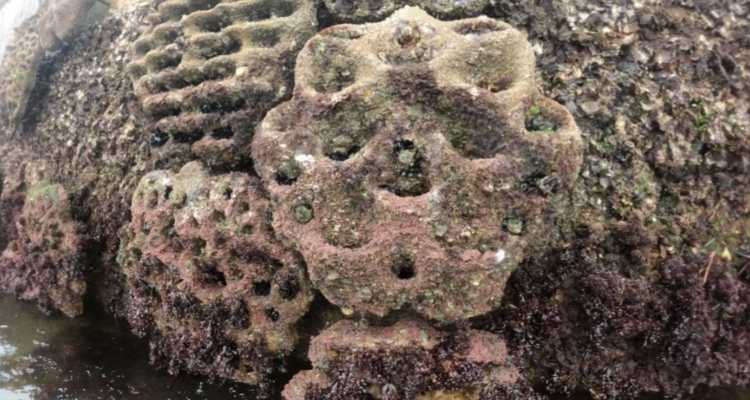
As part of Project Restore, SIMS says it also aims to enhance artificial foreshore areas by installing Living Seawall panels and Reef Pods in various Sydney Harbour locations, working in collaboration with Reef Design Lab.
In contrast with natural shorelines, seawalls built in coastal regions are typically smooth, featureless surfaces.
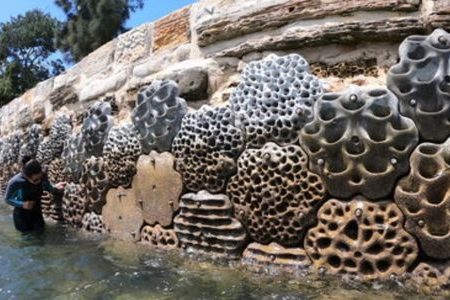
To remedy this, 2021 Earthshot Prize finalist Living Seawalls adds naturalistically styled panels to to mimic microhabitats on natural shorelines, providing marine creatures and seaweeds with habitat to colonise and grow.
According to SIMS, the interlocking panels attract a range of marine life including seaweed, oysters and mussels, helping to improve water quality, boost ecosystems and sequester carbon.
SIMS said reef pods have also been designed to mimic the natural environment and encourage algal growth with swim throughs and areas of refuge and complexity for marine species. When used in areas where rocky reefs have been degraded by urbanisation and siltation, they can offer both refuge and breeding grounds to promote greater marine biodiversity, it said.
Related stories
 Amanda Bryan
 Amanda Bryan