Cultivated pet treats make Aussie debut
A new pet treat brand, the first in the cell-cultured category, is set to be launched in Australia.

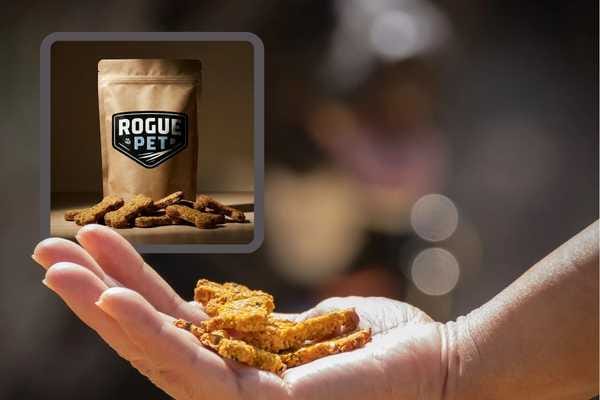
Melbourne startup Magic Valley is celebrating its sixth anniversary with a major milestone: the launch of Australia’s first brand of cultivated meat pet treats.
The first pet product to hit the market is a pork-based training bite for dogs. The Rogue Pet treats are made from animal cells in a clean facility, and aim to offer a way to provide high-quality protein without harming animals.
According to founder and CEO Paul Bevan, the initial limited run for early adopters sold out within a week of pre-orders opening.
While Magic Valley continues to develop its cultivated pork platform for human consumption, the Rogue Pet brand serves a dual purpose: generating early revenue and refining the company's logistics, Bevan said.
“We launched Rogue Pet, our cultivated meat pet treats brand, and the first run disappeared fast.”
“This week, we turned six, and we hit a milestone I’m genuinely proud of,” Bevan shared on social media. “We launched Rogue Pet, our cultivated meat pet treats brand, and the first run disappeared fast.”
“It gives us real-world reps: making, packing, shipping, listening, improving. It helps fuel the bigger goal: scaling cultivated meat for humans.”
Next on the agenda is expanding production capacity and diversifying the Rogue Pet range with new formats, Bevan said.
A growing field
Magic Valley joins a small but expanding group of global players in the cultivated pet food space. Currently, the only other company to have a pet product on the market is the UK’s Meatly, which launched its "Chick Bites" cultivated chicken snack in February last year.
In the Australian landscape, Sydney-based Vow is another cell-cultured meat player, having gained FSANZ approval for its cell-cultured quail last year, which is sold in restaurants and online under the premium Forged brand of products for human consumption.
With global meat consumption forecast to outpace traditional farming capacity by 2050, food tech firms are looking toward cellular agriculture as a scalable solution.
Magic Valley reports that its cultivated meat platform can achieve substantial resource efficiencies, with the startup previously citing potential reductions of 96% in emissions, 99% in land requirements, and 96% in water consumption relative to traditional meat production methods.
The process of making cultivated pork begins with a small cell sample taken from a pig without harming it. These cells are placed in a controlled environment and fed the nutrients they need to grow, mimicking the natural process inside an animal cell. The result is cultivated pork that Magic Valley says maintains the same nutritional profile, taste, and texture as conventional meat. To create the final training bites, the meat is blended with plant-based ingredients including oat flour, brewer’s yeast, apples and sweet potatoes.
Related stories
 Louisa Hearn
 Amanda Bryan