Battling a summer of wildfires

It’s become a much feared feature of the Australian summer, but now other countries are tapping into our nation's firefighting experience.
Battling a summer of wildfires
source: Canva

Our tiny news team at The Zero Planet recently took some time out after some unexpected disruptions, but we’re back with a new mission.

Since we began covering the climate solutions sector over five years ago, we've witnessed the steady trickle of news become a flood of offerings and initiatives to clean and cool the planet.

Our problem now is how to cover it all.

In order to do justice to the many important climate solutions, milestones and events, we’ll be writing fewer standalone solutions stories and will instead focus on curating useful content from other trusted sources as well as flagging important local events and announcements.

Our revamped newsletter will be landing in your inbox very soon, and in the meantime here’s a short snapshot of some of the stories we've been following in recent months.

Can we win against wildfires?

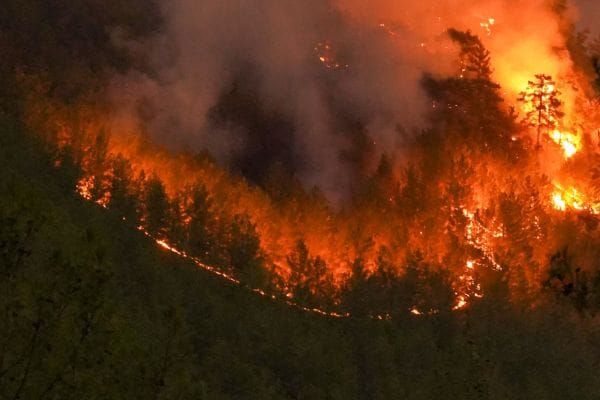
As the Northern Hemisphere summer of 2026 topped climate records around the world, it brought with it a terrifying wave of dry conditions and unstable weather patterns, culminating in highly destructive wildfires. 

Here in Australia we’ve endured our own previously inconceivable fire fronts, and in fact the catalyst for creating The Zero Planet was the 2019/20 fire season that ravaged our east coast.

The BBC reports that as some countries (UK and Scotland) confront extreme fire conditions for the first time, Australia may serve as a source of expertise in fire detection and suppression as well as adaptation strategies such as indigenous cultural burning. A recent article in The Conversation also tackles this topic as Australia continues to shore up its defences against this catastrophic seasonal threat.

Here is some additional reading for those interested in emerging (and ancient) solutions for battling and preventing wildfires in Australia and beyond, compiled by The Zero Planet earlier this year.

Are widespread disasters like wildfires likely to mobilise more community action?

Well it depends on what you read.

Forging a strong connection between our continued reliance on fossil fuels and climate disasters is the critical step towards mobilising action say climate campaigners.

A recent report in The Guardian shared findings from a consortium of scientists who determined the recent blazes in Canada, Spain and France were more than twice as likely to occur because of fossil fuel-driven global heating.

And independent UK media outlet Novara Media recently spoke with Kevin Anderson, an ex oil engineer turned climate scientist, who did not mince words about the continued risks of burning fossil fuels.

But not all media outlets are making this clear connection, and climate campaigner Covering Climate Now warns that a new era of 'climate hushing' is taking hold, enabling climate sceptics keen to fill the vacuum with cherry-picked data to support their own commercial or political interests.

A rebuttal to one such media report was recently published by CarbonBrief, a specialist UK climate science and policy publisher, highlighting the misinterpretation of European geographical data.

CarbonBrief has also recently announced the launch of Project Cosmos, which it describes as the world’s largest database of climate change research, "to map and analyse the scientific community’s foundational knowledge about climate change".

And we've decided to give the last word on this topic to The Daily Show's Ronny Chieng who created this simple climate change explainer on youtube for the visual learners among us.