2025: a hive of innovation
From seaweed buttons to bee hotels, Australian innovators are tackling some of the planet's biggest challenges. We take a look at some of the year’s highlights.

There was no shortage of planet-saving ambition this year, with Australian innovators making headlines around the world. Join us as we look back on some of our favourite stories.
Sweeping reforms to nature laws (Environment Protection and Biodiversity Conservation Act) this month brought a collective sigh of relief from nature advocates and researchers, who had feared a very different outcome for the future of native forests.
Environmental educator Clancy Lester described the new federal government reforms as a “step in the right direction”, while noting a disappointing “lack in the mention of climate in decision making”.
Clancy – also known as The Bee Man – teaches communities about native pollinators and their ecosystems, sharing Indigenous knowledge and practical guidance, from planting local species to building safe bee hotels. We caught up with him back in February about his role as an ABC Heywire Trailblazer.
 Louisa Hearn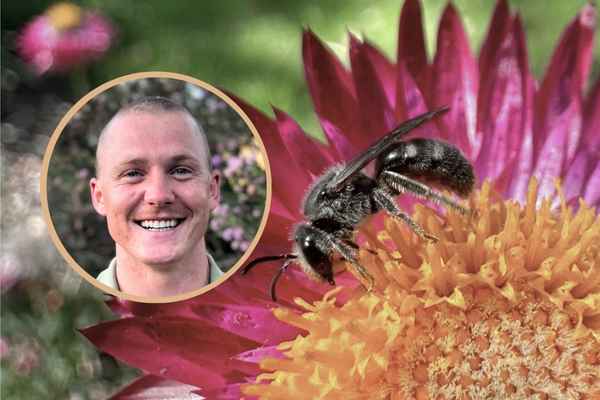
Forest-friendly palm oil
Topping the list of food and cosmetic ingredients most linked to global deforestation is palm oil, with new plantations replacing rainforests and devastating orangutan habitats. That’s where NSW startup Levur comes in, using engineered yeast to produce nature-identical oils designed to replace those driving biodiversity loss. The work earned Levur the $100,000 KPMG Nature Positive Prize in January, recognising more than a decade of development led by co-founder Tom Collier.
 Amanda Bryan
Printed solar goes on tour
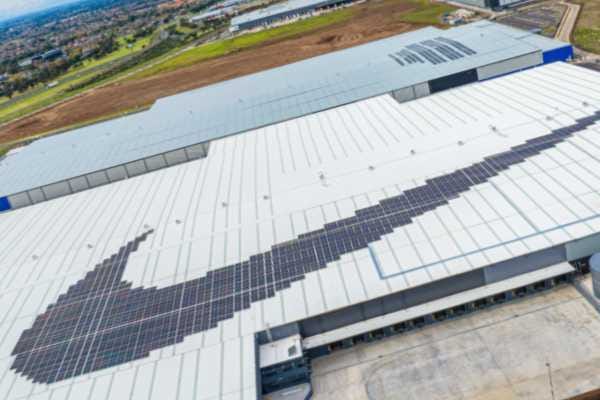
Solar panels that can be rolled up and reused like a poster may sound like science fiction, but NSW startup Kardinia Energy has turned it into reality. Its lightweight, flexible printed solar tech – which helped to power Coldplay’s recent world tour – was awarded a $2.25 million grant in July to establish a commercial manufacturing facility in Newcastle. Using recyclable organic photovoltaics and roll-to-roll printing, the panels can go where traditional solar can’t, from remote communities to humanitarian operations.
 Amanda Bryan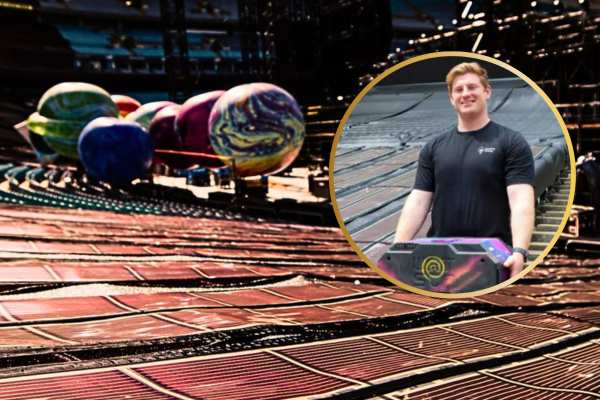
Home batteries on wheels
When people think about home batteries, they usually envisage a box on a wall, not a car in the driveway. But Australia’s first residential vehicle-to-grid installation intends to show how an EV can double as household storage, charging when demand is low and sending power back when it spikes. A Sydney trial of the vehicle-to-grid technology was switched on in November to see how it performs in real homes, and across the grid.
 Louisa Hearn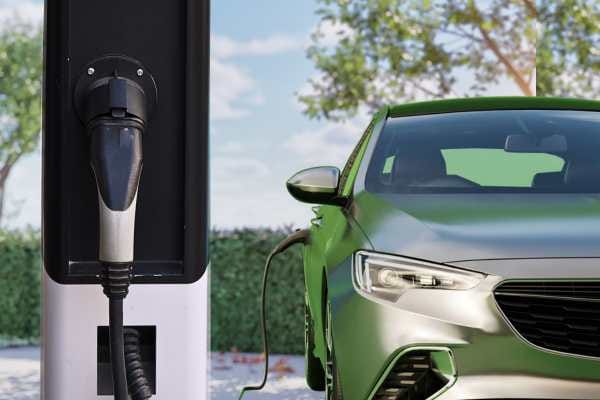
Free solar for all
Another initiative announced in November to help trim household power bills was the federal government’s proposed Solar Sharer scheme, which would require retailers in NSW, South East Queensland and South Australia to offer at least three hours of free daytime electricity from next year. The scheme aims to shift power use into periods when rooftop solar generation is at its highest, helping households absorb surplus energy while easing evening peaks and reducing overall system costs.
 Louisa Hearn
Sleepwear from the sea
Fashion’s plastic problem isn’t just in fibres – it’s in the buttons, trims and packaging. Perth-based startup Uluu is tackling that issue with a deal to supply seaweed-based buttons to Australian sleepwear brand Papinelle. Biodegradable and free of microplastics, the buttons perform like conventional plastic. Recently backed by $16 million in Series A funding, Uluu has also hatched plans to build a 10-tonne-per-year demonstration plant, scaling its seaweed technology from pilot experiments to commercial production for fashion, cosmetics and automotive applications.
 Amanda Bryan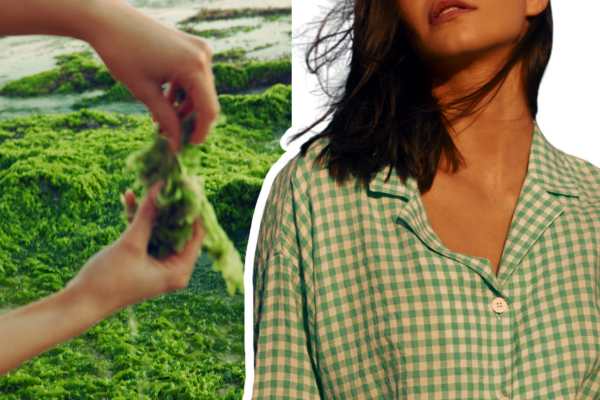
Soy fish switcheroo
Plastic soy sauce fish droppers served with sushi are just one of the single-use plastics being targeted by Australian state governments, amid predictions that by 2050 there will be more plastic in the ocean than fish. South Australia’s latest single-plastics ban took effect in September, targeting soy sauce containers, fruit stickers and plastic cutlery. In November, NSW introduced its own timeline to phase out common single-use items, with the demise of soy droppers scheduled for 2030.
Sydney design studio Heliograf rolled out a home-compostable solution to fill this gap in September, made from renewable sugarcane pulp and free from plastics, PLA and PFAS. Unlike the billions of plastic soy fish used globally, it says its ‘fish’ decompose in weeks, leaving only nutrients for the soil.
 Louisa Hearn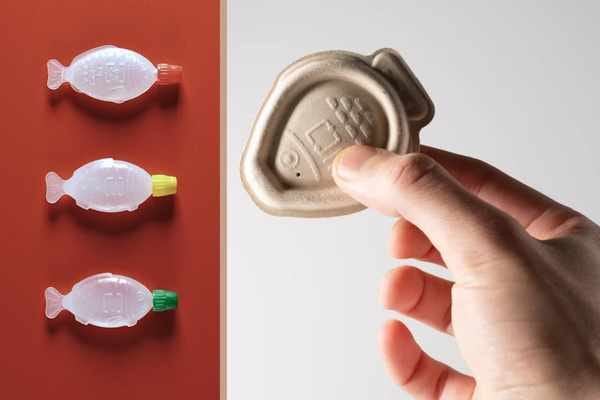
Circular food scraps
Goterra, a Canberra startup, has spent several years refining its recycling units that feed household scraps to millions of black soldier fly larvae, transforming yesterday’s leftovers into protein-rich animal feed and nutrient-packed fertiliser. In January, the City of Sydney launched a year-long trial of the technology, collecting food scraps from households and transporting them to a purpose-built processing facility in Alexandria.
 Amanda Bryan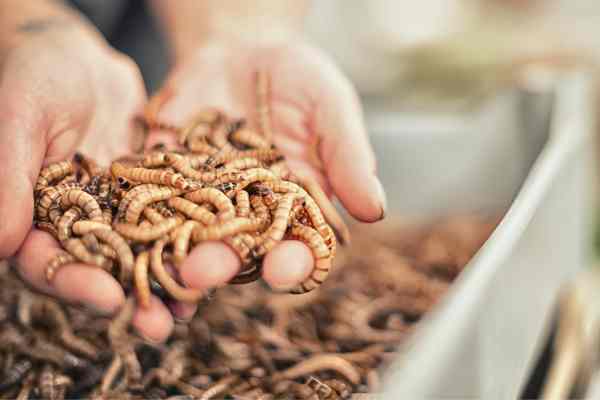
A wastewater remedy
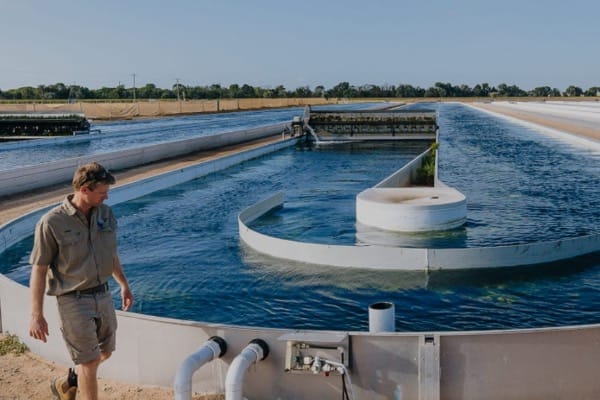
Out on Queensland’s cane-growing plains, a new kind of wastewater plant has been rewriting the script on how regional towns manage nutrient pollution. Burdekin Shire’s system uses native macroalgae and sunlight to strip nitrogen and phosphorus from sewage – the very pollutants that contribute to the Great Barrier Reef’s declining water quality. The RegenAqua facility also supplies local farms with harvested algae processed into fertiliser, creating a closed-loop approach that keeps nutrients circulating where they’re needed instead of washing out to sea.
 Amanda Bryan